





























































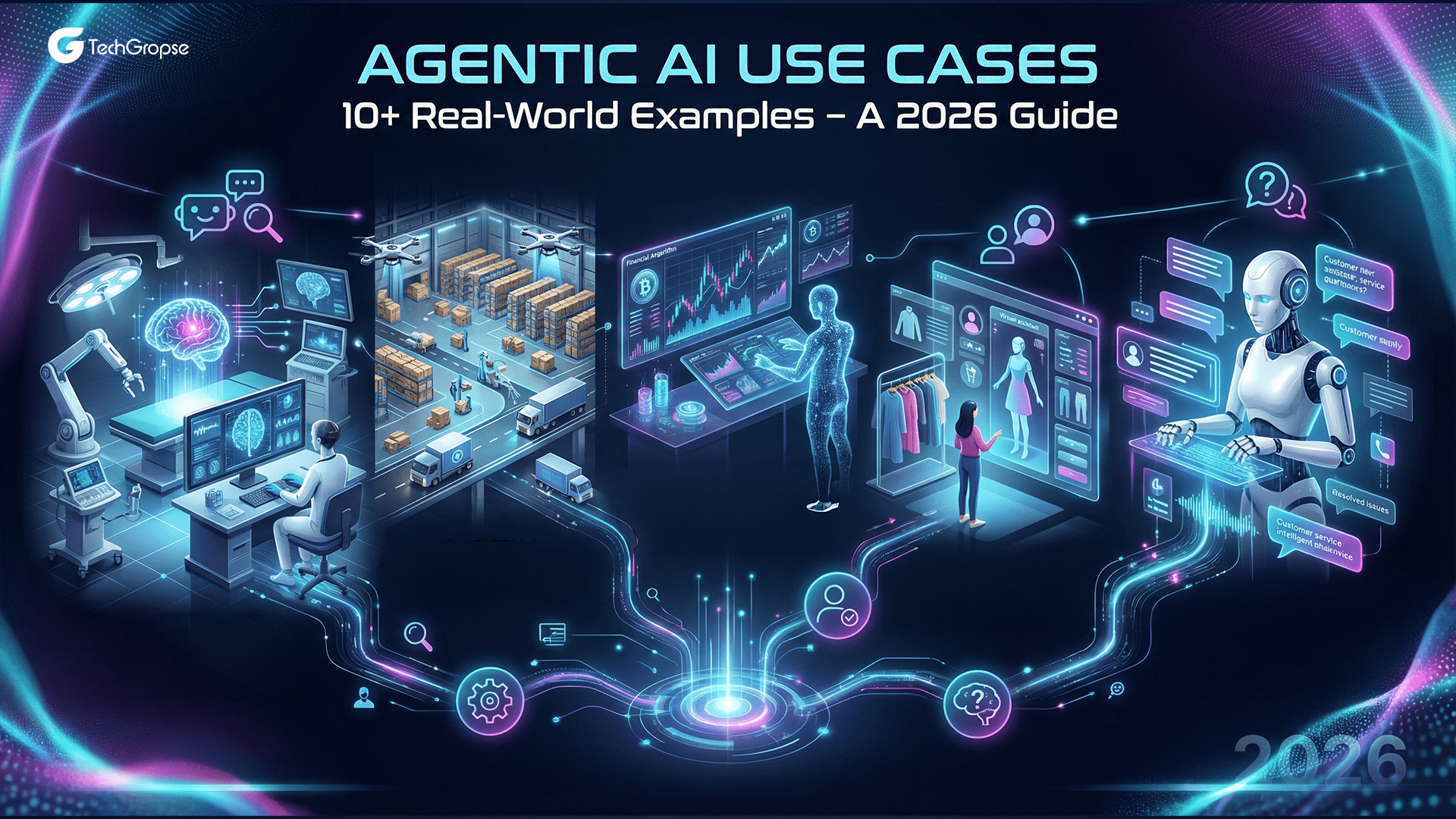
Most users in 2026 consider AI futuristic technology like Sci-fi robots and digital assistants. Let me tell you straight, AI is helping startups and enterprises in multiple ways.
Businesses are looking to incorporate AI into it and go for an Agentic AI system. However, they are also looking to get information about the Agentic AI use cases before implementing it.
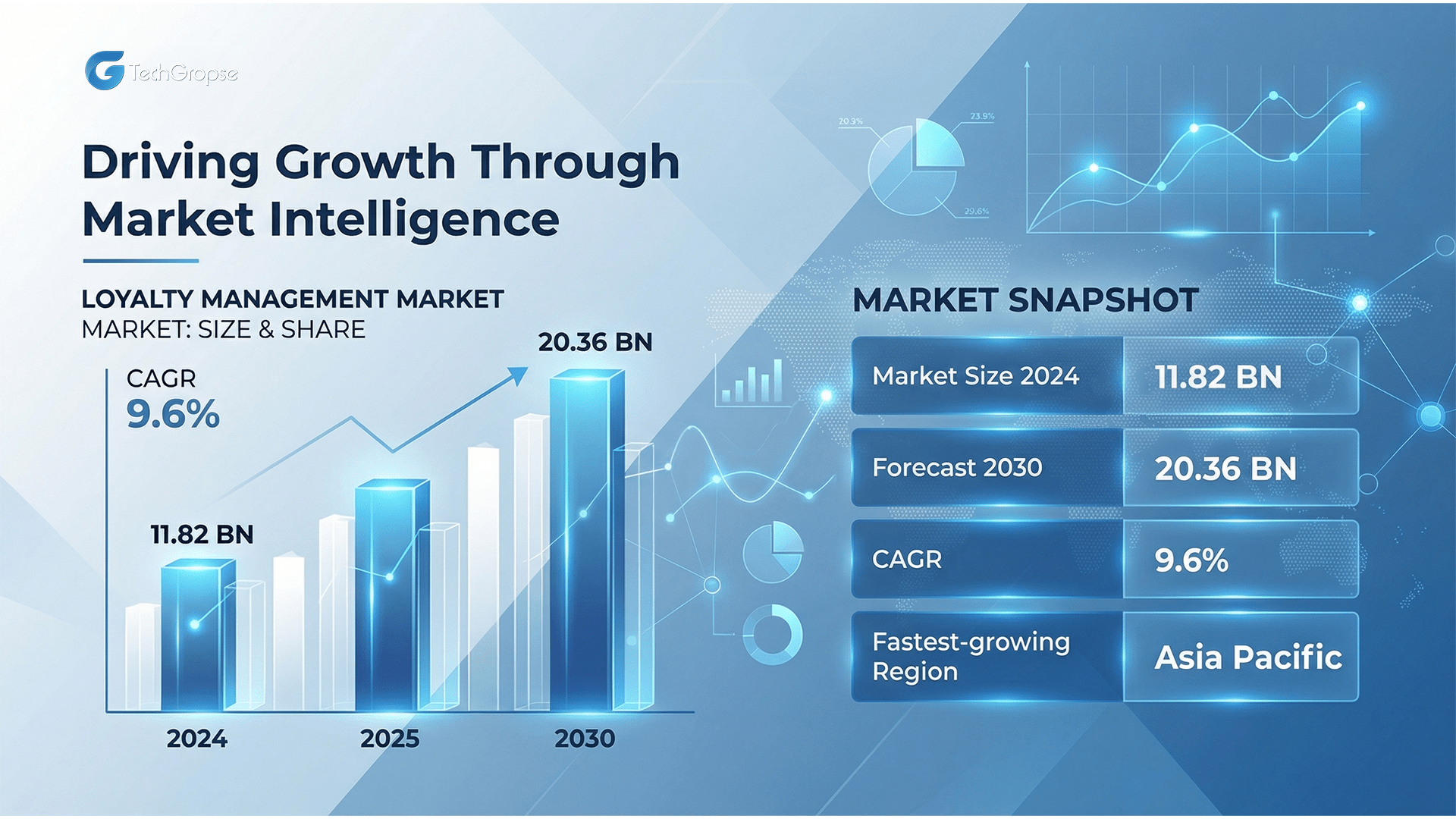
This interest is fueled by the market momentum of Agentic AI. According to MarketsAndMarkets, the Agentic AI market is expected to rise to US$ 93.2 bn by 2032. This market growth is reflected in the adoption trend, in which Gartner also predicts that 40% of enterprise apps will integrate task-specific AI agents by the end of 2026.
mistakes or problems. If something doesn’t work, the AI changes what it’Before the rise of Agentic AI applications, both startups and enterprises struggled in operations due to a heavy reliance on manual processes. After adopting AI, primarily Agentic AI, the same processes become 10x faster.
In this 2026 guide, you’ll get 40+ Agentic AI business use cases, real-world examples, and the best AI development company.
Time to dive in.
What Is Agentic AI in 2026?
Most of the AI solutions work in which you give the command, and they follow it. After that, they stop and wait for another command.
On the contrary, Agentic AI solutions don’t wait for user commands. They take action and complete tasks without waiting for human intervention.
Here’s an Agentic AI example to understand this.
Consider an app that doesn’t wait for instructions; it makes a decision on its own to schedule a meeting, apply for leave, and suggest solutions on its own.
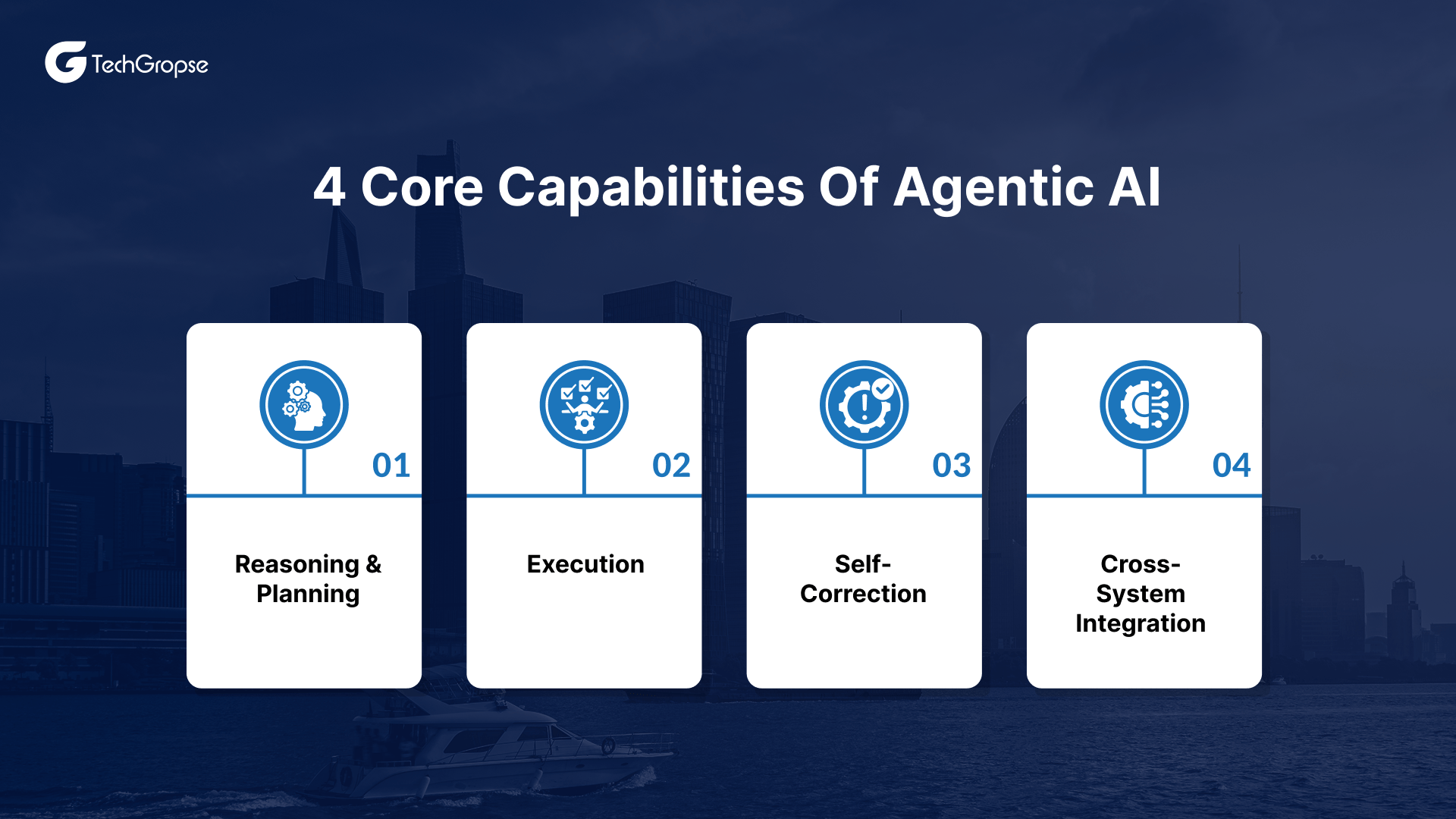
Reasoning & Planning
Agentic AI is good at analyzing data and understanding what needs to be done. It can see problems, decide what to do first, and make a plan to achieve goals. This helps businesses use AI not to do tasks but to make smart decisions.
Execution
After a plan is made, Agentic AI takes action on its own. It can do tasks like scheduling meetings, managing work, or updating systems without needing people to tell it what to do. Automating time-consuming tasks, it helps employees focus on more important work.
Self-Correction
Agentic AI always checks what it’s doing. This results in findings doing and learns from each try. This helps ensure things are done correctly and gets better over time, which reduces mistakes in business processes.
Cross-System Integration
One key thing about Agentic AI capability is that it can work with different software systems. It can use data from customer tools, work with project apps, or talk to department systems. This helps make work automation smooth across the organization.
Agentic AI vs. Traditional Automation vs. GenAI
As per BCG research, the use of Agentic AI can enhance employee productivity by 25 to 40% and accelerate business processes by 30 to 50%. Businesses are exploring the scope of implementing intelligent AI solutions. Sp, it has become vital to know the difference between Agentic AI, Automation, and GenAI.
| Attributes | Traditional Automation | GenAI | Agentic AI |
|---|---|---|---|
| Core function | Executes fixed, rule-based tasks on a preset script | Generates content, summaries, and responses from prompts | Plans, executes, and adapts multi-step workflows to achieve an outcome |
| Human input required | Needed for every change or exception | A prompt is required for every task | Provide the goal once, and it runs autonomously from there |
| Adaptability | None, breaks when conditions change | Moderate, output improves with better prompts | High, self-corrects and adjusts plan when something goes wrong |
| Multi-step Execution | No, single action per trigger | No, generates a response, doesn't act on it | Yes, plans and executes a full sequence across tools |
| Integration Depth | Limited to fixed, pre-wired system connections | Often disconnected from live systems or actions | Native cross-system orchestration via APIs and integrations |
| Example Tool | Zapier | OpenAI ChatGPT | Moveworks |
In addition, a few decision makers are confused between Agentic AI & AI agents and want to know the key differences between them.
Read More: Agentic AI vs AI Agents
Agentic AI Use Cases in IT
IT teams in a business are usually the first to feel the pain of outdated automation, due to which support tickets pile up, pending access requests, and manual processes kill time. When Agentic AI for business is used, it provides automation capability so your IT team doesn’t just stay a help desk and become more strategic.
Proactive Incident Resolution
Problem
When a server goes down, or an application starts working, this is what usually happens: a tool that keeps an eye on things sends out a warning, someone figures out what is going wrong with the application, and opens a ticket for it. By the time someone fixes the issue with the application, it has taken 45 minutes, and the business has already been affected.
How Agentic AI Solves It
When Agentic AI solutions see something strange, like a big jump in memory use or a lot of errors, it does not just send a message and wait. Agentic AI looks into the problem to find what is causing it. Then it fixes the issue. The things Agentic AI does to fix the problem are within its authority.
Measurable Result
As per Rootly, enterprises using agentic AI for incident resolution report a time to resolution (MTTR) dropping by 40–60%.
Access Provisioning
Problem
New employees will be joining our company. They need to get access to many systems. Now getting access to these systems is a lot of work. Someone in IT has to:
- Process a request
- Check if the employee should have access based on their role
- Create accounts
- Set permissions
Imagine doing this for 50 hires every month. It’s a lot of work.
How Agentic AI Solves It
When an onboarding event occurs, the agentic AI picks it up and orchestrates everything that follows. It reads the employee’s role, department, and seniority, cross-references the access policy, and provisions exactly the right permissions across every connected system.
No ticket. No waiting. No one is manually ticking boxes.
Measurable Result
- Provisioning time drops from an average of 2–3 days to under 5 minutes.
- Security and compliance teams gain complete audit trails without manual reporting.
In addition to these applications of Agentic AI, the system is used for self-service IT support, patch management, and asset lifecycle management.
Agentic AI Use Cases in HR
HR teams are having a tough time, and they need to give employees a good experience. The HR teams have to do a lot of work, like filling out forms, getting approvals, and answering the same questions over and over. Our AI development solutions help HR teams by taking care of the work that HR professionals have to do. HR teams can use Agentic AI solutions to make things easier.
Onboarding Automation
Problem
When a new person starts a job at a company, the process of getting them settled in is often really bad. This is not because the people in the Human Resources department do not care about the employee. The problem is that getting a new person started is a complicated process. When one new person is hired, it sets off a lot of tasks in many departments.
How Agentic AI Solves It
When a new person is hired, and it is confirmed in the HRMS, the agentic AI takes over. It does not wait for someone to remember to start a list of things to do. The agentic AI starts the process of getting the new person onboarded. This happens in every department at the same time. The agentic AI makes sure everything is done.
Measurable Result
As per Forrester, companies using agentic AI for onboarding report time-to-productivity improving by 20–25% for new hires. They have the access and context they need from day one, rather than spending the first week sorting logistics.
In addition to these applications of Agentic AI, the system is used for off-boarding, the benefits of self-service, and policy interpretation.
Agentic AI Use Cases in Finance
Finance teams want to work accurately. It is difficult when people are typing data from one system to another and checking records that should match automatically. Agentic AI here doesn’t just promise; it gives finance teams both speed and precision and helps people get rid of doing things manually.
Invoice Processing
Problem
Enterprise invoice processing is really frustrating and one of the costliest processes in finance if done wrong. Usually, an invoice comes in as a PDF through email. The person handling accounts then has to open it, type all the details into the ERP system, verify it with the purchase order, and match it with a receipt. For companies that handle thousands of invoices every month, this is not just a small issue. It is a task that costs a lot more than it needs to.
How Agentic AI Solves It
When an invoice arrives, the Agentic AI solution takes over. It looks at every part of the invoice and checks it against the original purchase order and the goods receipt. The artificial intelligence system points out any mistakes it finds. The solution then puts the code on the invoice based on who the vendor is, what cost centre it belongs to, and what kind of item it is.
Measurable Result
Enterprises using agentic AI for invoice processing report cost-per-invoice dropping from the $10–$15 manual benchmark to under $2, a reduction of 80–85%.
Accounts Payable Reconciliation
Problem
Month-end reconciliation is like a test for the finance team. Everyone works hard to make sure the numbers match before the month ends. The main problem is that financial data, for companies, is stored in many different places. The finance team has to work hard during this time, and they want to make sure all the numbers are correct.
How Agentic AI Solves It
The artificial intelligence system that is in charge of things runs a check to make sure everything is okay all the time as things happen. It takes in information from every place that’s important, like the main business system, the system that handles buying things, the system that handles payments, and the bank statement. Then it uses rules to match things up that do not just look for exact matches. The agentic AI system does this to help with reconciliation.
Measurable Result
Organisations using agentic AI for AP reconciliation report automatic match rates of 85–95% on transaction volume, meaning the vast majority of items close without a human touching them.
In addition to these applications of Agentic AI, the system is used for Expense Report Automation, Real-Time Budget Queries, and Audit Trail Generation.
Agentic AI Use Cases in Customer Service
Customer support is where people see AI in action. Customers do not care about the technology you use; they want their issue fixed. They want to solve their problem without having to explain it multiple times. Agentic AI in customer support changes things by taking care of tasks that do not need the help of humans.
Automated Issue Resolution
Problem
The average customer support team handles the same 30 problems on repeat. These are not hard problems; any agent who has been on the job for two weeks can resolve them in a few minutes. But they arrive in volume, all day, every day, and they crowd out everything else.
How Agentic AI Solves It
When a customer contacts support via chat, email, web form, or messaging app, the agentic AI doesn’t triage the request and hand it off. It takes ownership of it. It reads the customer’s message, identifies the intent with precision and pulls the relevant account data from the CRM and billing system, and determines whether this is something it can resolve autonomously within its authorised action set.
Measurable Result
Enterprises deploying agentic AI for automated issue resolution consistently report first-contact resolution rates improving by 25–40%.
Top 10 Agentic AI Examples For Multiple Industries
Businesses across various industries leverage the Agentic AI capabilities to enhance their operations in this modern age.
IT/ITES
Example: Autonomous Incident Resolution
Platforms like Moveworks use agentic AI to:
- Detect IT issues
- Diagnose root causes
- Resolve tickets automatically
Result: Faster MTTR, reduced IT workload
HR & Employee Experience
Example: AI Onboarding Assistants
Agentic systems:
- Provision accounts
- Assign training modules
- Answer employee queries
Tools like ServiceNow enable end-to-end onboarding automation.
Result: 30–50% faster time-to-productivity
Healthcare
Example: Patient Care Coordination Agents
AI agents:
- Schedule appointments
- Monitor patient data
- Alert doctors to anomalies
Used in platforms like IBM Watson Health.
Result: Improved patient outcomes, reduced admin burden
eCommerce & Retail
Example: Autonomous Shopping Assistants
AI agents:
- Recommend products
- Compare prices
- Complete purchases
Companies like Amazon are integrating such intelligent assistants.
Result: Higher conversions, personalized CX
Finance & Banking
Example: Fraud Detection & Response Agents
Agentic AI:
- Detects suspicious transactions
- Blocks accounts
- Initiates investigations
Used by firms like JPMorgan Chase.
Result: Real-time fraud prevention
Manufacturing
Example: Predictive Maintenance Agents
AI agents:
- Monitor machine health
- Predict failures
- Automatically schedule repairs
Implemented by companies like Siemens.
Result: Reduced downtime, optimized operations
Customer Support
Example: Autonomous Support Agents
Beyond chatbots, agentic AI:
- Understands context
- Resolves issues end-to-end
- Escalates when needed
Platforms like Zendesk are evolving in this direction.
Result: Lower support costs, faster resolution
Logistics & Supply Chain
Example: Dynamic Supply Chain Optimization
AI agents:
- Predict demand
- Optimize routes
- Manage inventory autonomously
Used by companies like DHL.
Result: Reduced costs, improved delivery efficiency
Marketing & Sales
Example: AI Growth & Campaign Agents
Agentic AI:
- Plans campaigns
- Runs A/B tests
- Optimizes ad spend in real-time
Tools like HubSpot are incorporating such capabilities.
Result: Higher ROI, automated growth loops
Legal & Compliance
Example: Autonomous Contract Analysis Agents
AI agents:
- Review contracts
- Flag risks
- Suggest edits
Used by platforms like Harvey AI.
Result: Faster legal review, reduced human effort
How TechGropse Can Help in Building an Agentic AI Solution?
TechGropse is a trusted Agentic AI Development Partner that helps businesses of all sizes get cost-effective solutions. As an ideal digital transformation partner, we help businesses leverage scalable Agentic AI solutions to stay competitive in the digital age.
TechGropse has 250+ developers who can turn your Agentic AI idea into reality using the latest tech stack. Our skilled developers help businesses become industry leaders across various industries, like Manufacturing, Finance, IT, Logistics, Legal, eCommerce, etc.
As a trusted digital transformation company, TechGropse is popular among startups and enterprises to modernize their legacy systems with Agentic AI applications. We are a go-to choice for businesses in APAC, MENA, and the North American region.
- 1000+ digital solutions delivered on time using new-age technologies.
- Solutions are backed by AWS Cloud and n8n-like tools.
- We deploy Agentic solutions faster so you get a faster time to market.
- Our solutions comply with local and international standards.
- Businesses can raise support tickets and use our multi-tier support (L1, L2, and L3).
- Provide support from the discovery call to the post-launch of the solutions.
Frequently Asked Questions
These two terms are closely related but not interchangeable. Agentic AI refers to a system that acts autonomously, perceiving its environment, making decisions, and pursuing goals across multiple steps without human intervention at every stage. AI agents, on the other hand, are the individual software entities built on top of that agentic capability.
- Agentic AI: the design philosophy: multi-step reasoning, goal pursuit, autonomous action.
- AI agents: discrete software units that execute a specific function (e.g., lead enrichment agent, invoice processing agent).
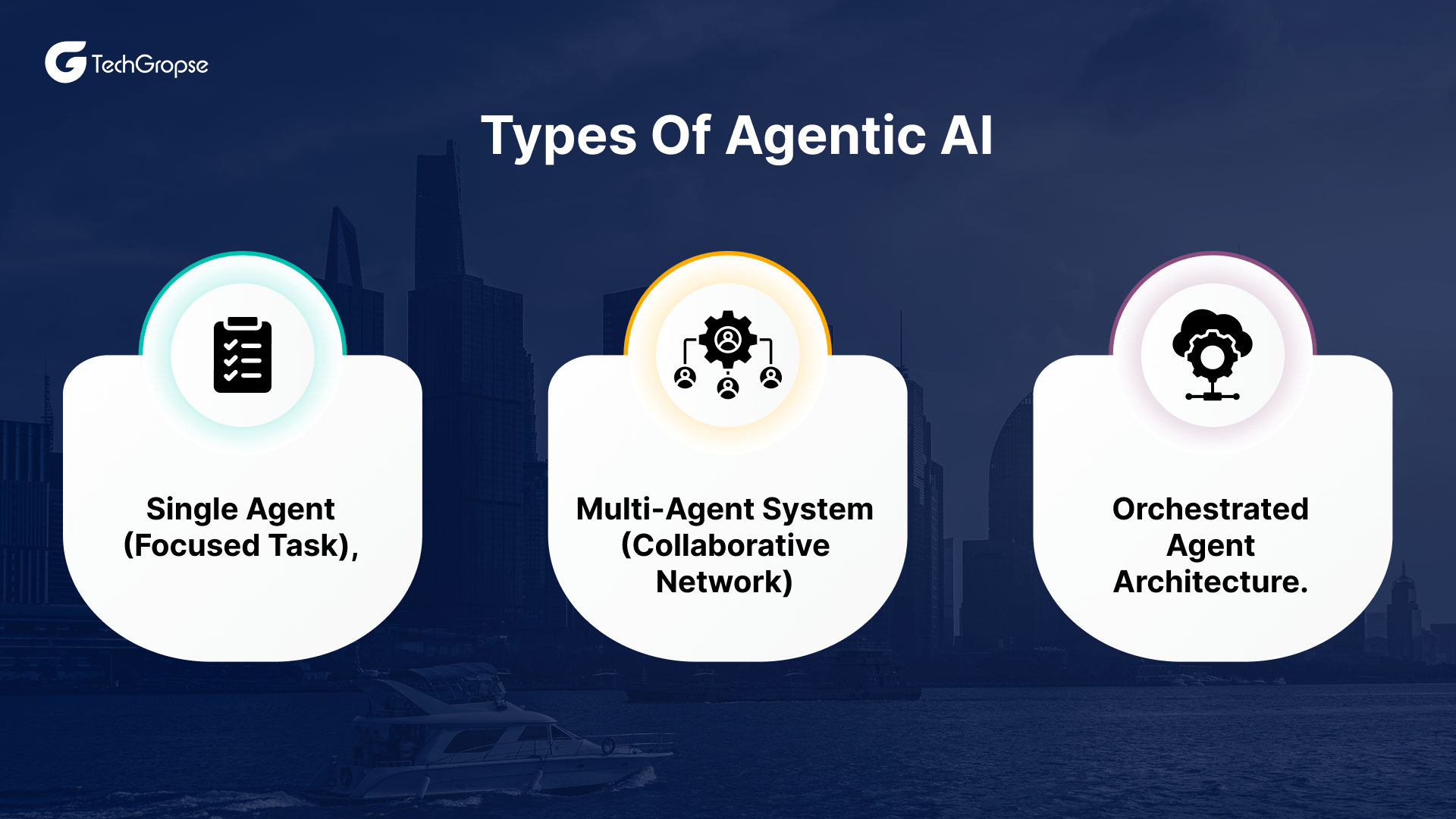
- Multi-agent systems: networks of AI agents collaborating on a shared goal, coordinated by an orchestration layer.
- Key enterprise implication: a single agentic AI platform can spawn dozens of specialised agents, each owning a workflow.
Consider a B2B SaaS company’s inbound lead qualification process. Historically, a sales development representative (SDR) would manually review new signups, cross-reference LinkedIn and Crunchbase, score the lead, and draft a personalised outreach email, a process taking 15–30 minutes per lead.
With agentic AI, an autonomous agent monitors the CRM in real time, enriches each new lead by querying third-party data sources, scores it against the ideal customer profile using multi-step reasoning, drafts a hyper-personalised email, and either sends it automatically or queues it for a single human approval click. The entire pipeline runs in under two minutes per lead, around the clock, with no SDR intervention for standard cases.
Unlike rule-based systems that follow explicit if/then logic, agentic AI uses large language models (LLMs) as a reasoning core, capable of evaluating context, weighing trade-offs, and selecting among multiple possible actions. The decision-making loop typically involves: perceiving the current state of the world (reading data from APIs, files, databases), formulating a plan of sub-tasks, executing actions sequentially or in parallel, observing results, and replanning if outcomes deviate.
- Perception: reads structured and unstructured inputs across systems
- Planning: decomposes the goal into ordered sub-tasks using chain-of-thought reasoning
- Tool use: calls APIs, runs queries, searches the web, writes and executes code
- Reflection: evaluates its own output and corrects errors before proceeding
- Escalation: routes to a human when confidence falls below a configurable threshold

Hello All, Aman Mishra has years of experience in the IT industry. His passion for helping people in all aspects of mobile app development. Therefore, He write several blogs that help the readers to get the appropriate information about mobile app development trends, technology, and many other aspects.In addition to providing mobile app development services in USA, he also provides maintenance & support services for businesses of all sizes. He tried to solve all their readers' queries and ensure that the given information would be helpful for them.


 info@techgropse.com