






























































Got an app idea burning in your mind? You’re convinced it’ll change everything, solve real problems, maybe even disrupt an entire industry?
Here’s the thing: everyone starts there. That excitement, that vision of your app lighting up millions of screens? It’s intoxicating. However, the reason why most people fail is that the journey between I have this great idea and I have created a successful business is the one most of them fail to follow.
The opportunity is immense, with 6.3 billion smartphone users and the mobile app revenues of more than $935 billion in 2025. And it is. But so is the failure rate. Knowing how to create a mobile app startup entails knowing the prospects and the pitfalls.
Let’s begin!
The Reality Check Nobody Wants to Hear
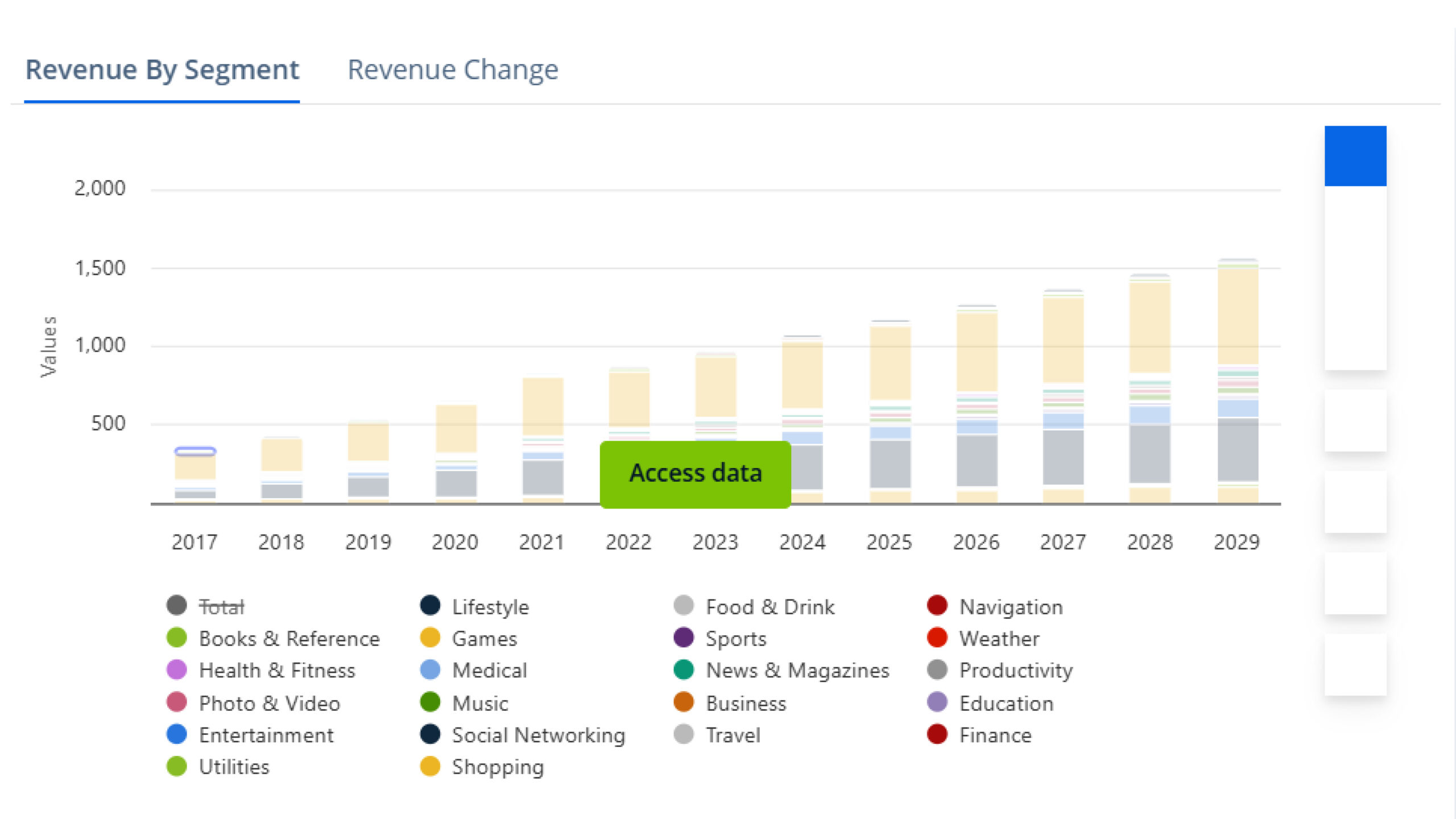
The market of mobile app startups is dynamic. The Google Play Store has almost 4 million applications and 1.8 million deals on the Apple App Store, competing with each other. And here is the number that must make you take a breath: 75-90% of app startups fail.
But don’t close this tab yet. Those failures? They follow patterns. Most crash because they skip crucial steps, burn money on the wrong things, or build something nobody actually wants.
The ones that succeed? They do specific things right. Let’s talk about what those things are.
How to Create a Mobile App Startup: A Comprehensive Guide
Let’s see the complete steps to build your own mobile app startup:
Step 1: Stop Falling in Love With Your First Idea
I get it. Your idea feels perfect. Revolutionary, even. But here’s what separates successful founders from the rest, they validate before they build.
Write down every app idea you have. Not just one. All of them. This exercise forces you to think broadly and spot which concept actually solves the biggest problem. Sometimes your “backup” idea turns out to be the winner.
Talk to real people and not your friends who’ll tell you everything sounds great. Identify 20-30 individuals who fit your description of a user. Ask them about their troubles. They should not be indifferent to trying to fix this issue in some way or another.
Most successful startup app developers rely on product discovery workshops, which are essentially five-day sprints that are stress-tested, involving a map of essential product features and creating a more realistic roadmap. Just imagine it as spending a little money today to save tens of thousands of dollars in the future.
The big question: “Would ever people buy this or simply say it is a good idea?
Step 2: Market Research Isn’t Optional

Your revolutionary idea? Someone’s probably tried it. Maybe they failed. Maybe they succeeded but left gaps. Either way, you need to know.
Download competing apps, use and review them properly. Get your ear into what can irritate you, what seems easy, and what is want. Scourge through the one-star reviews- literally, the user will tell you what is not working.
Build detailed profiles of who’ll use your app. Education, income, and day-to-day activities. The more specific, the better. Everyone is not the target audience.
Analyze the failures too. Applications that were introduced with much hype and disappeared. What went wrong? Most of the time, it is not bad ideas, it is bad implementation, poor timing or failure to understand what is really needed by the users compared to what they want.
You are not making an attempt to be absolutely different. You’re trying to be significantly better or more focused than what exists.
A Quick Glance at All the Industries
| Industry | Development Time | Cost Range | Monetization Difficulty | Regulatory Complexity | Best LTV | Key Advantage | Main Challenge |
|---|---|---|---|---|---|---|---|
| Healthcare | 9-12 months | $120K-$250K | Medium (subscriptions work well) | Very High (HIPAA, FDA) | $45-$120 | High user engagement, recurring revenue | Compliance costs and long approval timelines |
| Fintech | 12-15 months | $150K-$400K | Medium (transaction fees proven) | Very High (licenses, PCI-DSS) | $60-$200+ | Strong unit economics, high retention | Multiple state licenses, strict regulations |
| E-Commerce | 6-12 months | $150K-$400K | Easy (proven models) | Low (standard business rules) | $80-$200 | Clear revenue path from day one | Intense competition, logistics complexity |
| Social | 3-6 months | $80K-$200K | Very Hard (needs massive scale) | Medium (content moderation) | $20-$50 | Fast to build, viral potential | Monetization requires 100K+ users first |
| On-Demand | 8-12 months | $150K-$350K | Medium (commission-based) | Medium (insurance, background checks) | $200-$600 | High LTV, repeat transactions | Chicken-egg problem, operational complexity |
| Gaming | 6-18 months | $100K-$500K+ | Hard (only 2-5% pay) | Low (minimal regulations) | $15-$80 | Global market, passionate users | Extremely competitive, hit-driven market |
| Education | 6-10 months | $100K-$250K | Medium (subscriptions stable) | Low (content standards only) | $100-$300 | Recurring revenue, B2B opportunities | Content creation costs, completion rates |
| Food Delivery | 8-12 months | $150K-$350K | Medium (multiple revenue streams) | Medium (food safety, licensing) | $150-$400 | High frequency usage, clear demand | Thin margins, driver management issues |
Step 3: iOS or Android? Stop Overthinking It
This is an important decision, but it is likely not because of the reasons you imagine.
Pick iOS if: The target users are located in North America or Western Europe. Your app is high quality or paid per subscription (iOS users are more successful spenders). You’re bootstrapping and want fewer devices to support during early testing.
Pick Android if: You’re targeting emerging markets or need a massive global reach. Your business model depends on scale (ad-supported, freemium). You want access to users who might not afford higher-end devices.
Here’s what the data shows: According to RevenueCat’s analysis of 75,000+ subscription apps, iOS generates $0.66 per install after 60 days in North America versus $0.35 on Android. Nearly double. But Android acquisition costs less, $3.40 per install versus $4.70 for iOS.
For most founders, figuring out how to create a mobile app startup, the smart move? Make your debut on the platform of your real users, prove your idea, and scale up with your initial proceeds.
Cross-platform frameworks like React Native or Flutter let you code once and deploy everywhere. Sounds perfect, right? The tradeoff is some performance limitations and platform-specific features that don’t work as smoothly.
Choosing Your Technology Stack: What Actually Matters
Your tech stack determines how fast you build, how much you spend, and whether your app can grow. Here’s what you need to know:
Native vs. Cross-Platform Comparison
| Factor | Native Development (Swift/Kotlin) | Cross-Platform (React Native/Flutter) |
|---|---|---|
| Performance | Excellent, super smooth | Good, works well for most apps |
| Development Time | Slower (need two separate teams) | Faster (one code for both platforms) |
| Cost | $150,000 to $300,000 | $80,000 to $150,000 |
| Best For | Gaming, AR/VR apps, high-performance needs | Business apps, MVPs, tight budgets |
| When to Choose | Building games, AR experiences, cutting-edge features | Building MVP, budget $50K-$150K, quick launch |
Backend Setup for Different Stages
| Stage | Frontend | Backend | Database | Hosting | Monthly Cost |
|---|---|---|---|---|---|
| MVP (Starting Out) | React Native or Flutter | Firebase or Supabase (serverless) | Firestore or PostgreSQL | Included in backend | $50 to $200 |
| Growing Apps | Native or Flutter | Node.js or Python | PostgreSQL + Redis cache | AWS or Google Cloud | $500 to $5,000 |
Tech Stack Decision Framework
| Your Situation | Recommended Stack | Reason |
|---|---|---|
| First-time founder, limited budget | Cross-Platform + Firebase | Fastest, cheapest path to validation |
| Gaming or AR/VR app | Native (Swift + Kotlin) | Performance is critical |
| MVP with $50K-$150K budget | React Native + Firebase | One codebase, fast development |
| Validated product, scaling users | Native/Flutter + Node.js + PostgreSQL | Better control and scalability |
| Real-time features needed | Any frontend + Node.js + Redis | Redis handles real-time data best |
Also Read: Native vs Cross-Platform: Which Framework Delivers Better Mobile Apps?
Step 4: Design Like Nobody Reads Instructions
Since they do not. 88 percent of users will never come back to a single bad experience.
Your app must be easy to use for your target audience. Consider applications that you enjoy- Instagram, Uber, Spotify. You never read a manual. And that was no luck, that was obsessive consideration of the user experience.
Keep it simple: Every extra button or menu item makes users think harder. Thinking is friction. Friction kills apps.
Follow platform rules: Apple has Human Interface Guidelines. Google has Material Design. Use them. Users already know these patterns. Being “unique” just confuses people.
Design for thumbs: Most people use phones one-handed. Put important stuff where thumbs can reach it easily.
Test with real humans early: Build wireframes and prototypes before writing code. Watch people try to use them. Where do they get stuck? Fix it before spending money on development.
Good design isn’t about trends or winning awards. It’s about making users’ lives easier, faster, and more pleasant.
Step 5: Build an MVP, Not Your Vision

This is where founders blow everything. They try building the complete, perfect version right away. Instead, start with a minimum viable product. An MVP does one thing exceptionally well—solves your core problem. Nothing fancy. Just enough to test whether people actually want what you’re building.
Why MVP matters:
You learn fast. Real users show you what they actually do versus what they said they’d do. Usually? These are different.
You save money. MVP development costs 60-70% less than full-featured apps. That’s more runway to figure things out.
You validate quicker. Find out if people want your solution before you’ve bet the farm on it.
According to RevenueCat data, apps with focused value propositions convert better. Health & Fitness apps with clear core benefits see median lifetime values exceeding $25 per paying user. The successful ones didn’t try to be everything to everyone.
Your development options:
Hire an in-house team if you’ve got technical co-founders or serious funding. Expect $100K-150K per senior developer annually in major markets.
Outsourcing to agencies is often faster and more cost-effective. Good agencies bring experience from dozens of projects. Custom mobile app development for startups through specialized agencies often delivers better results than building in-house too early.
Use no-code platforms for super simple apps. Bubble, Adalo, and similar tools work for basic validation. Limited flexibility, but cheap and fast.
Most successful founders outsource their MVP while keeping strategy internal. Many specialized app developers for startups focus specifically on rapid MVP development.
How TechGropse Helps Brands in Achieving Success?
Case Study 1: Anasa – Event Management Platform
About: Anasa is an all-in-one platform enabling users to book multiple event vendors—salons, caterers, decorators—simultaneously through a single interface.
Challenges: Poor service categorization across diverse offerings, scheduling conflicts with multi-vendor bookings, and delayed vendor-customer communication causing booking errors and user frustration.
TechGropse’s Solution: Built AI-powered hierarchical categorization, implemented real-time scheduling with conflict resolution algorithms, and integrated WebSocket push notifications with two-way chat.
Results: 96% customer satisfaction, 40% faster bookings, 35% fewer errors, 50% quicker vendor response times, and 40% increased vendor engagement in Q1.
Read Full Case Study Here
Case Study 2: MindLeague – Virtual Chess Platform
About: MindLeague merges traditional chess with modern technology, offering virtual and in-person matches for players from beginners to grandmasters.
Challenges: Required sophisticated bot creation with Glicko Rating System, AI game analysis and coaching, seamless tournament live streaming, and robust cheat detection for competitive integrity.
TechGropse’s Solution: Developed adaptive bots with dynamic ratings, deployed AI for move-by-move analysis and coaching, integrated AWS live streaming, and built AI cheat detection analyzing player patterns.
Results: 98% player success rate, real-time personalized coaching, guaranteed fair play through advanced detection, and seamless tournament experiences across formats.
Step 6: The Money Question Everyone Asks
Understanding mobile application development cost determines your runway and fundraising needs.
Simple app: $30,000-$100,000. Basic features, straightforward functionality. Good for testing simple concepts and startup application development.
Medium complexity: $100,000-$250,000. Custom UI, multiple features, backend services, third-party integrations. Most app development for startup companies falls here.
Complex app: $250,000+. Advanced features, AI integration, real-time capabilities, serious security requirements.
What drives costs up:
- Custom design work that actually looks polished
- Complex features and functionality
- Third-party integrations (payments, social, maps)
- Backend infrastructure and databases
- Security and compliance requirements
- Supporting multiple platforms
The process of development is only beginning. Costs on server hosting (100-5,000 per month based on number of users), server maintenance (15-20 percent of development cost annually), marketing (usually more than development) and salaries of the team..
Step 7: Finding Money to Build

Unless you’re independently wealthy, you need funding.
Bootstrap: Use your own money or early revenue. Slower, but you keep control. Many billion-dollar apps started here.
Angel investors: Rich individuals who invest between $25K and half a million in start-up businesses.
Seed funding: VC firms providing $500K-$2M for getting to market. Expect to give up 10-20% ownership.
Crowdfunding: Kickstarter, Indiegogo, etc. Raise directly from future users. Bonus: validates demand. Requires compelling pitch and often a working prototype.
Here’s the truth: investors don’t fund ideas. They fund teams that can execute and products showing traction. Your MVP and early user data matter more than your pitch deck.
Pay attention to: the issue and the solution you provide to it, market size, and your traction (users, revenue, growth), your team’s capacity to perform, and it has a clear path to profitability.
Raise money because you can not because you have to. Every dollar comes with expectations and often loss of control.
The Fundamental Legal Checklist You Should Not Miss
This part of the process isn’t as exciting as coding or marketing, but skirting it is like constructing a skyscraper without a foundation. Legal mishaps can ruin your business and possibly leave your individual assets at risk. Focus on these steps is not an option.
- Create a Valid Business Entity
Running your startup on your own personal bank account is a recipe for disaster. You must have a legal structure to protect you from liability.
LLC (Limited Liability Company): This is usually the most straightforward and least costly structure to begin with. Most importantly, it keeps your personal assets (your home, vehicle, personal savings) separate from your business obligations and debts. This is great for bootstrapping.
C-Corporation: If you intend to raise capital from Venture Capital (VC) companies, they will surely insist that you be a Delaware C-corporation. It is the norm for tech startups since it makes it easy to issue stock to investors and employees.
- Get Your Critical Contracts Signed
The “We’ll figure it out later” phrase has killed more startups than bad ideas. Sign and file these important documents right away.
Founder’s Agreement: This is the most critical document if you have co-founders. It should explicitly state:
Equity Ownership: Who gets what percentage?
Roles & Responsibilities: What are the responsibilities of each?
Vesting: Add an equity vesting schedule (usually 4 years). This makes sure co-founders earn their ownership over time, so one does not leave after six months and pocket 50% of the company.
IP Assignment (Work for Hire): As you engage developers (agency or freelance), your agreement should include language that makes it clear that your company owns 100% of all code, design, and product intellectual property developed on your behalf. Without this “Work for Hire” or Intellectual Property (IP) Assignment clause, you could end up having your product owned by the developer.
- Safeguard Your Intellectual Property (IP)
Your logo, company name, and source code are your most precious assets. Guard them.
Trademark: Safeguard your logo and app’s name. Quickly search the USPTO database to make sure your brand name is not already in use. A trademark prevents others from confusing your users with duplication.
Copyright: Your code and UI design are copyrighted when created. The intention is to show you own it, and that is secured with the IP assignment contracts described earlier.
4. Provide Data Privacy and Compliance
This is reason number one why apps get legal penalties or are removed from app stores. Because you are collecting user information, compliance is your responsibility.
Privacy Policy: You need to have one that is readily available and clearly indicates: what information you are gathering (email, location, contacts), where you store it, and what you do with it.
Terms of Service (ToS): This is the user agreement for your application. It spells out the usage rules, things that can’t be done, and how you resolve conflicts.
Know the Global Laws: Your application is international from day one.
GDPR (Europe): If one of your apps is downloaded by any EU citizen, you have to comply. This encompasses things such as the right to be forgotten.
CCPA (California): Gives residents of California particular rights regarding their personal data.
COPPA (Children): When your service is aimed at kids younger than 13, the legal obligations are very onerous. It’s usually better to explicitly say within your ToS that the service is not for users under 13.
HIPAA (Healthcare): As mentioned in the industry table, if your app processes any protected health information, the compliance hurdle is substantial. Do not venture into this arena lightly.
Step 8: Marketing Isn’t a “Later” Thing
Every day, great apps are removed from the Play Store or App Store. At this stage, as you go through the process of learning how to start an app business, you should realize that marketing begins before you write code.
Build a landing page: Before launch, collect emails. Post about your experience on social media. Individuals are fond of reading startup stories. Find early adopters using Product Hunt, BetaList, and Reddit.
Optimization of the App Store (ASO): Your category name, description, keywords, and screenshots have a direct influence on how people will locate you. Words that your users are really searching. Use your title with your primary keyword. Attach screenshots depicting real value of your app. Write descriptions that are benefit-oriented. Promote reviews – they are huge influencers of rankings.
Content marketing: Provide useful content on what your app is all about. Fitness app? Publish workout tips. Finance app? Advice on share money management. This creates credibility and leads to natural traffic.
Social media: Select one or two social media where your customers socialize. Post consistently. Engage genuinely. User stories, helpful tips, and share development updates. A good business plan on how to succeed with mobile apps should have a good social presence.
Paid acquisition: When you know the user acquisition cost and lifetime value, scale with ads. To begin with, use Facebook, Instagram, or Google. Experiment with audience and messages. Monitor all religiously.
Coherence and monitoring are more than ubiquity. To know what works and multiply it.
Step 9: How You’ll Actually Make Money

Downloads mean nothing if they don’t generate revenue.
Freemium: Free with limited features. Users pay to unlock premium capabilities. Works for productivity, dating, and fitness apps. Make the free version valuable enough to use but compelling enough that users want more.
Subscription: Users pay monthly or yearly for access. Creates predictable recurring revenue—investors love this. Great for apps providing ongoing value like streaming, news, or SaaS tools. Challenge? You must continuously deliver value, or people cancel.
In-app purchases: Popular in gaming and social apps. Users buy virtual goods, extra lives, and special features. It can be very profitable but requires careful balance to avoid “pay-to-win” feelings.
Advertising: Display ads in your free app. Revenue comes from impressions or clicks. Requires large user numbers to be meaningful. Downside? Ads hurt user experience.
Paid download: Users pay upfront to download. Gives immediate revenue but significantly limits your potential user base. Works for specialized professional tools.
Hybrid models: Many successful apps combine approaches. Free with ads, but offer ad-free subscriptions. Or subscriptions plus in-app purchases.
For those exploring how to create a mobile app startup, freemium or free with ads works best initially—lower barrier to entry. Once you have users and understand behavior, refine your approach.
Also Read: 5 Mobile App Monetization Strategies: Cost & Technical Overview (Better Know 10)
Step 10: Data Shows What Actually Works

Let’s move beyond theory into what numbers tell us about successful strategies.
Platform Performance:
RevenueCat’s 2025 report analyzing over $10 billion in revenue shows iOS consistently outperforms Android. North America sees $0.66 per install after 60 days on iOS versus $0.35 on Android. That’s nearly double the monetization.
Day 35 download-to-paid conversions favor iOS significantly. Business, Health & Fitness, and Education show the largest gaps.
However, Android costs less to acquire users. Average CPI is $4.70 for iOS versus $3.40 for Android—$1.30 difference per user.
Monetization Reality Check:
Hard paywalls generate approximately 8x higher median revenue after 14 days compared to freemium ($0.56 versus $0.07). But 83% of top-grossing apps use freemium. The key? Execution quality matters more than model choice.
Subscription duration performance:
- Weekly: Rarely exceeds 10% retention at six months
- Monthly: Retains approximately 17% after one year
- Annual: Maintains 44.1% retention after one year
Low-priced annual plans keep up to 36% of users subscribed yearly. High-priced monthly plans? Just 6.7% stick around.
The takeaway? Annual pricing with accessible price points creates best long-term value. And 35% of successful apps now mix subscriptions with other revenue like consumables—diversification matters.
Acquisition Costs by Region (2024 Mapendo/Business of Apps data):
- North America: $5.28 per install
- EMEA: $1.03 per install
- Asia-Pacific: $0.93 per install
- Latin America: $0.34 per install
Gaming costs (Mapendo 2025):
- Casual games: iOS $2.50, Android $1.50
- Hardcore/Strategy: iOS $6.00, Android $4.50
- Puzzle games: iOS $3.00, Android $2.00
According to Business of Apps research, Instagram ads average $1.75-$4.50 per install. Facebook ads have fluctuated dramatically due to iOS privacy changes.
The rising cost problem: Customer acquisition costs jumped 222% over the last decade—from $19 to $29 per user. iOS 14.5 privacy changes, the death of third-party cookies, and privacy regulations (GDPR, CCPA) drove this increase.
If you’re building a finance app targeting North America through iOS, expect $10-15 per user acquisition costs. Your lifetime value must significantly exceed that. This is why retention matters so much.
Start by building organic channels first: ASO, content marketing, and community. Whether you’re running an app-making business or building your first startup, only scale paid acquisition once you understand lifetime value metrics and know that acquiring users generates profit.
Why Apps Fail:
By day 30, Android apps retain just 2.1% of users. iOS retains 3.7%. Nearly 30% of annual subscriptions are canceled in the first month.
The top 5% of newly launched apps make $8,880+ after year one. The bottom 25%? No more than $19. That’s a 400x gap, growing from last year’s 200x.
Red flags:
- Over 50% user churn in week one
- Acquisition costs rising faster than lifetime value
- Less than 5% engaging with core features
- App store ratings below 3.5 stars
- Burn rate exceeding revenue growth by 10x+
Mitigation strategies:
Start focused. One category, one platform, one monetization model. Complexity kills early-stage companies.
Build retention from day one. Strong onboarding improves retention by 50%. Don’t treat it as an afterthought.
If you’re considering whether to create mobile app for business or consumer use, understand B2B apps typically have higher lifetime values but longer sales cycles. Consumer apps need massive scale to succeed.
Successful apps share patterns: solve specific problems exceptionally well, monetize early but fairly, obsess over retention, expand methodically. Whether you’re exploring mobile application for business solutions or consumer apps, these principles hold.
Your Action Plan
This week:
- Write down your app idea and the specific problem it solves
- Identify 10 target users and schedule calls
- Research 5 direct competitors thoroughly
- Sketch basic wireframes of core screens
This month:
- Validate with at least 20 potential users
- Create detailed user personas
- Decide platform and monetization model
- Draft feature list and identify MVP scope
- Research 3-5 potential partners, whether you’re looking for a startup app development company or contractors
This quarter:
- Finalize MVP features and development partner
- Create brand identity and marketing materials
- Build landing page and collect emails
- Begin MVP development with your mobile development startup partner
- Plan go-to-market strategy
You don’t need everything figured out immediately. Every successful founder started where you are—with an idea and questions. What separates success from failure? Taking action and learning through the mobile app development business process.
Launch Your App Startup Successfully?
Turn your mobile app idea into a thriving startup with our proven development expertise.
Top services in Los Angeles and New York – from MVP to scale.
Get your free startup consultation now!
Mobile Application Development Company Los Angeles
Mobile Application Development Company New York
The Bottom Line
Developing an effective startup of mobile apps is not a simple task. Had it been the case, all would do it.
The keys? Begin with an actual issue that people will be willing to pay to resolve. Validate before building. Sell with MVP and improve on the basis of feedback. Put emphasis on retention, not only on acquisition. Be ready to pivot if needed. Above all, create something that people even desire to use daily. By 2027, the mobile app industry will bring in revenue of $673 billion. Innovative solutions, which can make a real difference in life, are roomy. Your app could be one of them.
FAQ
Begin by stating what problem your app is addressing. Then focus on designing the app and developing an MVP with either native or cross-platform programming languages. Focus on the core functionalities and continue to develop them as per the user feedback.
You plan should consist of the way you will sell your services (e.g. consultation, development, maintenance), with whom you are going to work with (e.g. startups, small businesses) and a competitive pricing structure (e.g. fixed-price, time-and-materials). Include profitability financial forecasts.
Define Your Niche and Services: Decide whether or not you will specialize in an industry (e.g. healthcare) or platform (e.g. iOS only). Create a good portfolio of your best works. Put up a well-developed client onboarding, project management, and quality assurance process.
This entails offering end-to-end services, including ideation and wire framing all the way to coding, testing, and deployment. The key factors to success are an effective, competent technical team (developers, designers), and a good project management approach to ensure the delivery of high-quality and on-time client projects at an adequate profit margin.
Form your company and write its name. Outsource or get the services of skilled UX designers, mobile developers, and project managers. Develop a holistic or service package, which is to be achieved by building trust through effective communication and realistic expectations for the client.
Two major models are Product or Service. Product business is the business that aims at developing and selling your own application to users (B2C/B2B). One of the service businesses (a development company) is concentrating on the creation of apps on behalf of clients. Select the most suitable model to your risk tolerance and skills.
Create a Portfolio and Network: Initially, have a couple of small and terrific projects (including your own mock applications) to show competence. Connect with entrepreneurs and sell your skills by explaining what value you will offer them, not code, but a business solution using mobile technology.

Hello All, Aman Mishra has years of experience in the IT industry. His passion for helping people in all aspects of mobile app development. Therefore, He write several blogs that help the readers to get the appropriate information about mobile app development trends, technology, and many other aspects.In addition to providing mobile app development services in USA, he also provides maintenance & support services for businesses of all sizes. He tried to solve all their readers' queries and ensure that the given information would be helpful for them.
 info@techgropse.com